
Using Medical Ethics to Prevent Burnout in O&P
In my 40-year O&P career, I practiced in several hospital-based and private facilities. Some of those years overlapped with my 20 years as an adjunct instructor of philosophy where I


In my 40-year O&P career, I practiced in several hospital-based and private facilities. Some of those years overlapped with my 20 years as an adjunct instructor of philosophy where I
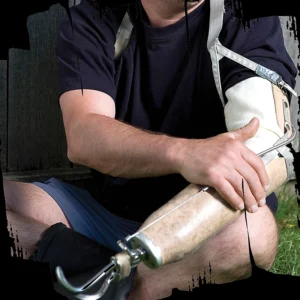
The Utah Terminal Device (UTD) project began in 1978 at a University of Utah lab, the Center for Engineering Design, known for bionic arms and cutting-edge technology in robotics and

That differences exist between lower- and upper-limb osseointegration (OI) processes surprises no one. Although by definition upper- and lower-limb OI systems both attach the prosthesis directly to the bone, avoiding
While upper-limb osseointegration (OI) offers an expanding menu of benefits as research progresses, some with upper-limb loss may not consider it a desirable option. Brooke O’Steen, OTR, upper extremity clinical
No posts found.

Medical necessity is a term frequently encountered in O&P—particularly in the context of insurance coverage, audits, and appeals. Yet despite its ubiquity, it remains widely misunderstood. A common misconception persists,
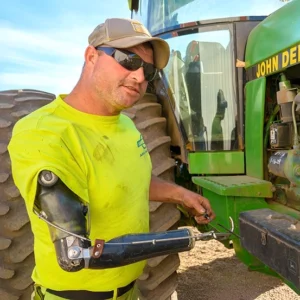
Prosthetics providers and their patients are all too familiar with the persistent types of pain experienced by more than half a million Americans with upper-limb loss—a number that is projected