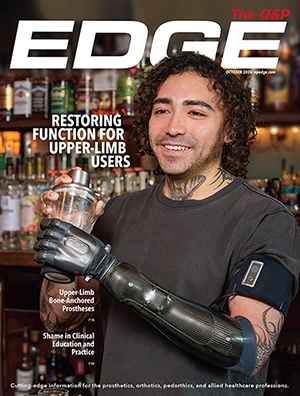

A group of researchers conducted a narrative review to examine upper-limb prosthetic technologies, with a focus on hand, wrist, and elbow devices. They analyzed the structural characteristics, control mechanisms, clinical evidence on functional outcomes, and user satisfaction. Following the review, the researchers identified two limitations that recurred across every category: the instability of surface electromyography signals, which constrains reliable myoelectric control, and the absence of effective sensory feedback, which raises cognitive load and contributes to abandonment.
The structured literature search was conducted across PubMed, Scopus, Web of Science, and the Cochrane Library, combining terms related to upper-limb amputation and prosthetic devices. The researchers identified peer-reviewed articles that covered foundational biomechanics and advanced bionic and neural interface systems and adopted a narrative approach because of the varied study designs.
They concluded that, across all device categories, no single prosthetic solution proved universally superior. Each category presented distinct functional, biomechanical, and psychosocial trade-offs, with prescription choices driven by amputation level, residual musculature, user priorities, and activity demands.
The authors suggested that bridging the gap between laboratory performance and real-world usability through more robust control algorithms, meaningful sensory restoration, and a shift toward user-centered, outcomes-driven development remains the central challenge for the future of upper-limb prosthetic devices.
The open-access review, “Upper limb prostheses: A narrative review of hand, wrist, and elbow devices,” was published in Frontiers in Rehabilitation Sciences.