

3D printing has come a long way in the past decade. What began as a means to fabricate quick prototypes has turned into a powerful tool with the potential for creating functional, custom O&P devices. As the materials available for 3D printing have evolved, so have the possibilities for how we design and deliver patient care.
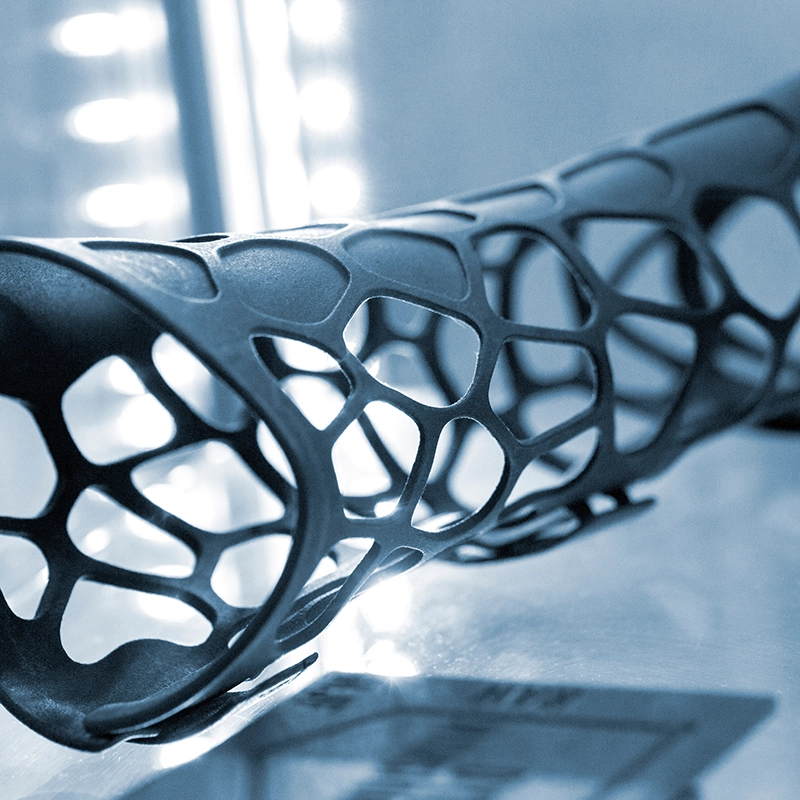
While advantages of a digital workflow and 3D printing have been explored (reduced production time, less material waste, reduced risk of human error, and improved patient fit and comfort), more research is needed to demonstrate that 3D-printed devices can be produced with comparable structural qualities than that of traditionally fabricated devices.1
Support authors and subscribe to content
This is premium stuff. Subscribe to read the entire article.
Login if you have purchased