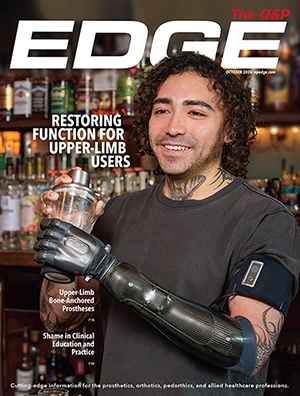

Upper-limb osseointegration (OI) is shifting from a niche last-resort intervention to an emerging reconstructive pathway for individuals with upper-limb loss. The field’s definition of success is shifting from surgical milestones to realized function. What matters now is how patients actually use a bone-anchored prosthesis (BAP) in daily life and how their lived experience informs prosthetic design, therapy interventions, follow-up schedules, and candidacy decisions. This article provides a perspective for prosthetists, while incorporating the viewpoint of occupational therapy and emphasizing the need for a multidisciplinary team. We highlight what we are learning from patient feedback in the community, examine the debate between going straight to a transhumeral BAP versus an initial socket trial, and address the growing operational problem of remote care when patients travel to destination surgical centers and then return home for long-term prosthetic and therapy management. Finally, we outline practical strategies for navigating insurance and logistics so patients can be fitted at medically appropriate timelines and supported with sustainable interdisciplinary follow-up.
From Alternative Interface to Everyday Solution
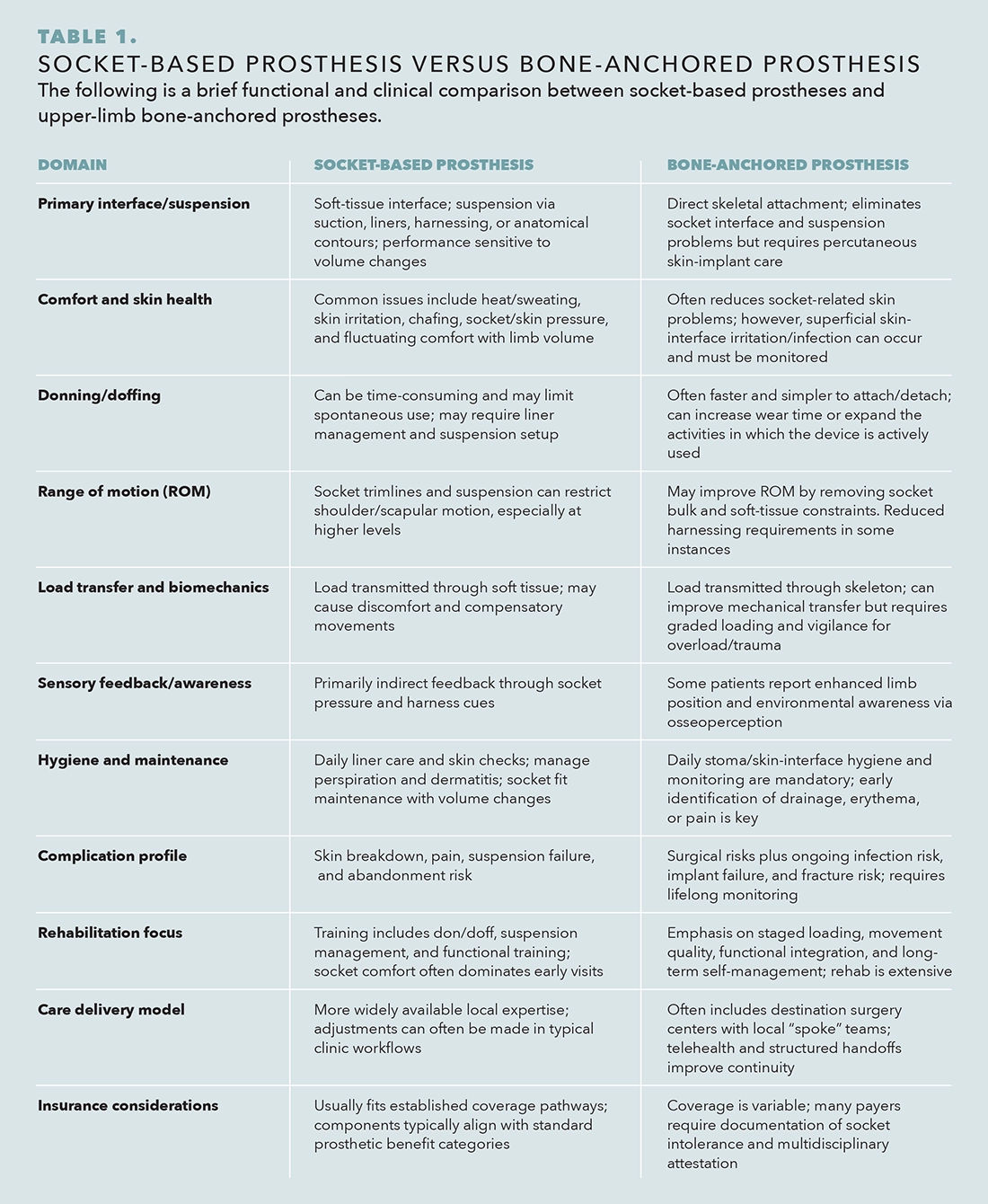
Early US adoption of BAP technology largely framed the solution as an alternative for people who could not tolerate sockets due to pain, skin breakdown, suspension challenges, or limited wear time. As programs have matured, BAP has increasingly become viewed as a solution that can improve daily participation—especially because it removes the socket-residuum interface, can make donning/doffing faster, and may improve sensory awareness through skeletal loading. At the same time, OI surgery introduces distinct risks and long-term requirements, including infection management at the skin-implant interface and the need for structured rehabilitation and follow-up.
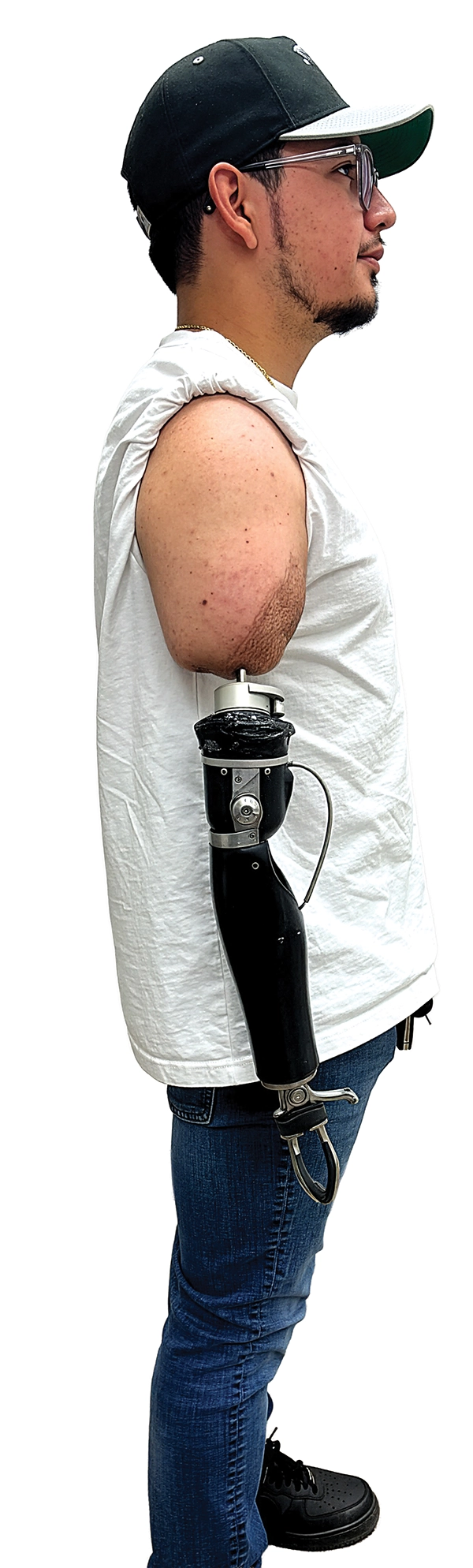 Clinic-based evaluations provide valuable information, but they often miss the factors that matter most to patients: reliability, ease of use, comfort throughout the day, confidence in the device, and the ability to receive meaningful sensory feedback. Patients live in dynamic environments where issues such as prosthetic donning time, perspiration, socket fit changes, fatigue, and long-term wear tolerance have a significant impact on real-world use. When we truly listen to our patients, their experiences become one of our most valuable sources of clinical data. Their feedback helps us understand what matters most in daily life and informs decisions about prosthetic technology, rehabilitation strategies, and candidacy for BAP. These reports highlight the difference between how a device is prescribed and how individuals ultimately incorporate it into their lives. For example, many BAP users switch between multiple prosthetic configurations throughout the day because bone-anchored devices can be donned and doffed quickly. This flexibility has led our team to routinely incorporate quick-disconnect adapters just distal to the implant-to-prosthesis connector, allowing patients to rapidly change between different prostheses or activity-specific devices.
One patient with bilateral transhumeral amputations provides a particularly compelling example. For driving, he uses a simple opposition post on the left side rather than a full-length prosthesis. He found that longer prosthetic configurations frequently interfered with the armrest and vehicle door during driving tasks. In contrast, the shorter activity-specific attachment allows him to comfortably turn the steering wheel and operate vehicle controls such as turn signals and windows. On the right side, he frequently attaches a hook directly to the end of the implant-to-prosthesis connector to carry objects and perform daily activities. Interestingly, this patient had previously trialed both myoelectric and body-powered prosthetic systems. However, with very short transhumeral amputations, he discovered that many tasks could be performed more efficiently with simple activity-specific devices once the BAP restored functional shoulder range of motion. Rather than relying on a traditional prosthesis for every activity, he developed a toolkit of specialized attachments that could be rapidly exchanged based on the demands of the task.
These experiences illustrate an important reality of BAP care: Success is not always measured by whether a patient uses a sophisticated prosthesis all day, every day. Instead, success may be reflected in increased access, increased choice, and the ability to select the right tool for the right activity. A bone-anchored connection often expands the range of prosthetic options a person can use effectively, creating opportunities for customized and activity-specific solutions. Ultimately, understanding the value of BAP requires looking beyond the clinic and into the environments where people live and work. The real-world experiences of patients often provide the clearest picture of how these systems affect function, independence, participation, and the real goal of improved quality of life.
How Patient Feedback Changes Prosthetic Design and Therapy Interventions
One of the most common misconceptions among patients and even some BAP rehabilitation centers is that the most expensive or high-tech prosthesis is the most functional following OI surgery. However, while a BAP changes the method of prosthesis attachment, it does not alter the basic control strategy. A patient with poor myoelectric signal quality in a socket-based prosthesis will have the same control challenges with BAP. Likewise, limitations inherent to body-powered systems, such as available grip strength or grasp patterns, do not disappear once a patient is fitted with a BAP. While the suspension harness can often be reduced or eliminated, users must still generate the body movements required to operate the device. What does change dramatically, particularly at the transhumeral level, is functional range of motion. Many people with mid-level to short transhumeral amputations struggle to comfortably position a socket-based prosthesis above shoulder height. Traditional sockets are also designed to limit internal and external rotation of the shoulder to prevent the prosthesis from rotating under load. As a result, users often sacrifice anatomical motion in exchange for stability. With BAP, the individual retains essentially unrestricted shoulder motion while simultaneously benefiting from an extended functional lever arm. This can produce a substantial improvement in how the limb is positioned and used during everyday activities, from reaching an overhead shelf to internally rotating and extending the shoulder to grasp something from a back pocket.
Among the most striking observations from patient follow-up is the amount of functional range of motion many individuals regain after OI surgery. Now that they have an extended lever arm that isn’t as sensitive, they can stretch and reach more effectively. Following OI, many report incorporating the limb more naturally into daily activities, resulting in greater opportunities for active movement, stretching, and strengthening. Many patients also describe experiences consistent with osseoperception, reporting that they can sense loading, contact, or interaction between the prosthesis and the environment through the bone-implant connection. Whether reaching, carrying objects, or simply interacting with their surroundings, patients frequently describe the prosthesis as feeling more connected and responsive. This increased awareness often encourages greater spontaneous use of the limb throughout the day, reinforcing movement patterns that support long-term function. These observations highlight an important lesson learned from patient feedback: The greatest functional benefits of BAP may not always come from improved prosthetic control. Instead, they may arise from increased range of motion, greater comfort, enhanced limb engagement, and a stronger sense of connection between users, their prostheses, and their environments. From both a prosthetic design and rehabilitation perspective, these patient-reported experiences are helping reshape how we define success following upper-limb OI.
The Timing Debate
The most useful question is not socket versus BAP but rather is there a coordinated clinical pathway that enables the individual to regain functional, bimanual use of the affected limb as quickly as possible? Early restoration of limb use is critical. As individuals adapt to functioning with a single hand, it often becomes increasingly difficult to successfully integrate a prosthesis into their daily routines. From a rehabilitation perspective, maintaining joint range of motion, muscle strength, and movement patterns is far easier than attempting to restore them after prolonged disuse. Even when a BAP is the intended long-term goal, most upper-limb amputations result from traumatic injury and frequently involve significant soft tissue damage. These factors may preclude OI at the time of primary closure. In addition, regulatory requirements, US Food and Drug Administration (FDA) compassionate use pathways, and insurance authorization processes often introduce delays before definitive OI surgery can occur. For this reason, the rehabilitation team should focus on a coordinated treatment strategy rather than viewing socket-based prosthetic care and BAP as competing approaches. Such a pathway may include the following:
- A primary surgical procedure that preserves the option for future OI
- An immediate post-operative protective device that supports passive positioning of the elbow and terminal device, allowing the patient to begin performing basic bimanual activities and participate in occupational therapy during the inpatient recovery period
- Early fitting of a low-cost preparatory prosthesis, typically following suture removal (approximately two to four weeks post-operatively), to facilitate strengthening of proximal musculature, provide basic grasp capability, and allow evaluation of the individual’s functional rehabilitation potential
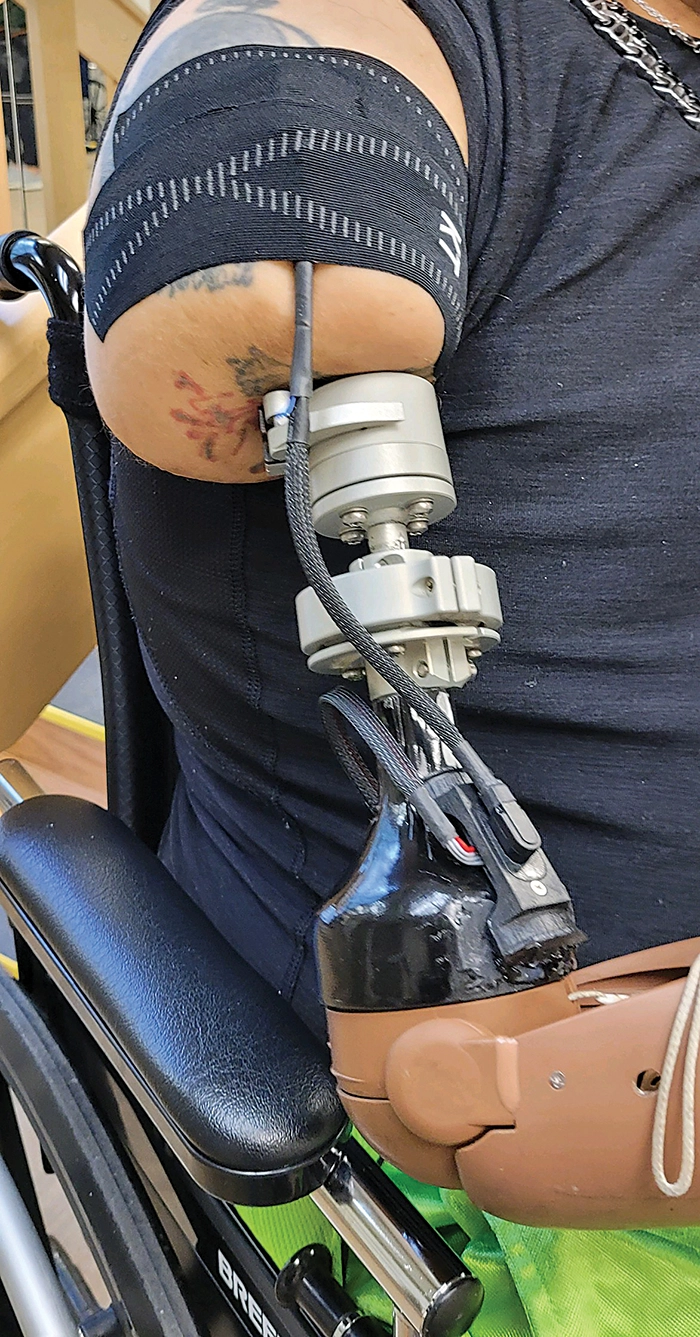 During this same period, the surgical team can begin the FDA compassionate use process currently required for transhumeral OI. A key component of this process is documenting why conventional socket-based prosthetic management may be insufficient to meet the patient’s functional goals. If the patient achieves satisfactory outcomes with a socket-based prosthesis, rehabilitation can progress toward a definitive socket-based solution. However, if functional limitations are attributable to the socket interface itself, those limitations can be objectively documented and incorporated into the compassionate use and insurance authorization process. An additional advantage of this approach is continuity. Much of the prosthetic componentry utilized during the preparatory phase can be adapted for use with the patient’s first full-length BAP, reducing redundancy and facilitating a smoother transition to the BAP. From the patient’s perspective, this coordinated pathway allows meaningful use of the injured limb to begin immediately rather than waiting months for definitive surgical and regulatory milestones. Early prosthetic utilization helps minimize disuse, preserve joint mobility, maintain proximal strength, reinforce bilateral movement patterns, and promote function, all while the clinical and surgical teams pursue the approvals necessary for OI. The result is a rehabilitation strategy focused not on choosing between sockets and BAP, but on maximizing functional recovery at every stage of care.
Remote Care and the Destination Surgery Center Challenge
As BAP programs expand, many patients travel to destination surgical centers and then return home for long-term prosthetic and therapy care. This handoff is a common failure point: protocols drift, responsibilities can be unclear, communication slows, and medically appropriate timelines (for loading, fitting, and training) can be disrupted by scheduling and authorization delays. Telehealth can strengthen continuity when used intentionally—triaging skin and pain concerns, coordinating multidisciplinary decisions, and reducing travel burden—but it works best as an amplifier of a structured hub-and-spoke model rather than a substitute for hands-on clinical care. A practical solution is a shared protocol, a scheduled communication cadence, and clear escalation triggers (photos/video of skin changes, drainage, pain trends, and functional setbacks).
Candidacy for Upper-Limb BAP and Its Evolution
The concept of candidacy for upper-limb BAP has evolved significantly over the past decade. Historically, OI was viewed primarily as a salvage procedure reserved for individuals who had exhausted all socket-based prosthetic options. Today, candidacy is increasingly considered through a broader lens that includes functional outcomes, quality of life, and the ability to integrate a prosthesis into daily activities. Current payer policies and clinical guidelines continue to emphasize careful patient selection. Most require documentation demonstrating appropriate bone health, management of relevant comorbidities, and evidence that socket-based prosthesis use is either not feasible or has failed to provide acceptable functional outcomes. Multidisciplinary evaluation is also essential to ensure that patients understand the risks, benefits, and rehabilitation commitment associated with the procedure.
While OI is often considered for individuals who cannot tolerate a traditional socket, there are clinical scenarios where socket-based prosthetic management may be inherently limited, even when socket wear is physically tolerated. One example is the humeral neck or very short transhumeral amputation level. In these cases, prosthetic fitting often requires a shoulder disarticulation–style socket design. Although the individual may retain active glenohumeral motion, the residual humerus is frequently too short to effectively capture and translate that motion into prosthetic movement. BAPs fundamentally change this equation. By directly connecting the prosthesis to the skeletal system, the prosthetic limb moves with the anatomical shoulder. Whatever glenohumeral range of motion the patient possesses can be translated to the prosthesis. For individuals with very short transhumeral limbs, this can represent a substantial improvement in functional reach and quality of life compared with a shoulder disarticulation-style prosthetic design. The potential benefits become even more compelling in individuals with bilateral upper-limb loss or reduced function in the contralateral limb. For these patients, maximizing prosthetic range of motion for activities such as eating, dressing, personal hygiene, and household tasks is often critical to maintaining independence. In these situations, the functional advantages of a BAP may outweigh the disadvantages associated with an additional surgical procedure.
Importantly, OI should not be viewed as an either-or alternative to conventional prosthetic care. Rather, it should be part of the broader treatment discussion early in the rehabilitation process. Educating patients about OI allows them to understand that additional options exist if less invasive approaches fail to meet their functional goals. Even when socket-based prosthetic management remains the appropriate first-line intervention, awareness of BAP can help patients make informed decisions about their long-term prosthetic and rehabilitation pathway. Ultimately, the question is no longer simply whether a patient can tolerate a socket. Instead, it is whether OI offers a meaningful opportunity to improve function, increase prosthetic integration, and enhance quality of life in ways that may not be achievable through socket-based prosthetic care alone.
Insurance and Logistics: Hitting Medically Appropriate Timelines
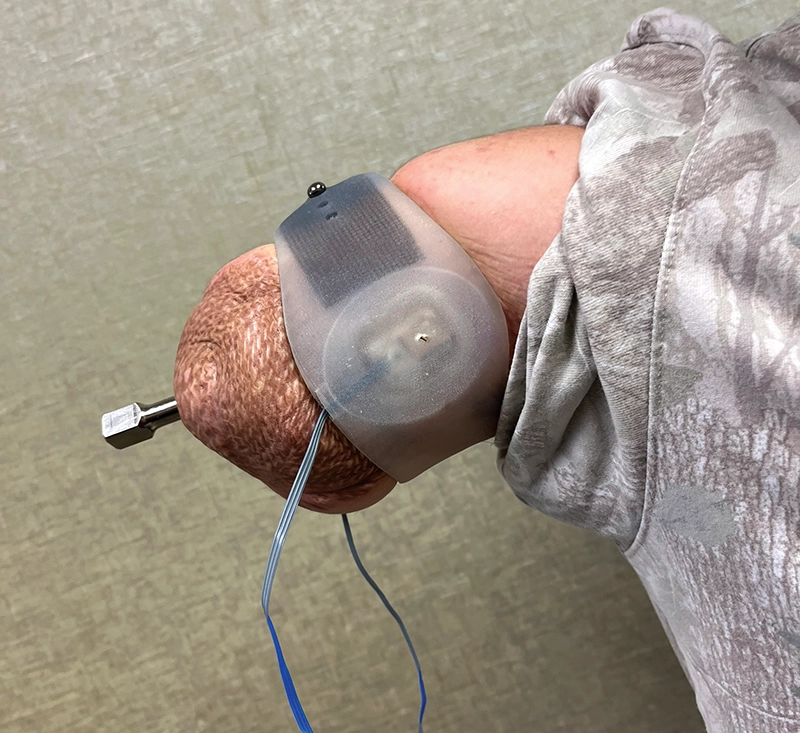 Even within established multidisciplinary BAP programs, one of the greatest barriers to successful outcomes is often not surgical technique, but the coordination of insurance approvals, regulatory requirements, and rehabilitation timelines. The challenge is ensuring that FDA compassionate-use approvals, surgical scheduling, loading and distraction protocols, prosthetic fabrication, therapy services, and insurance authorizations all occur within medically appropriate timeframes that support recovery rather than delay it. Successful OI rehabilitation follows a carefully sequenced pathway: healing then progressive loading then prosthetic integration then functional training. When delays occur at any point in this continuum, patients can lose strength, range of motion, conditioning, confidence, and engagement in the rehabilitation process. What may appear to be an administrative delay can ultimately become a clinical setback.
For upper-limb OI, the logistical complexity is often underestimated. Patients frequently require authorization not only for standard prosthetic componentry, but also for OI-specific components that may be billed using miscellaneous codes such as L-7499, creating additional payer review and documentation requirements. Authorization may also be needed for preparatory prostheses, loading and training devices used during the rehabilitation phase, therapy services, imaging, follow-up visits, and definitive prosthetic systems. Because many of these elements are interdependent, delays in one area can impact the entire treatment timeline.
The most successful programs address these challenges proactively. Documentation begins early and is developed collaboratively among the surgeon, prosthetist, and therapist. Rather than submitting separate justifications, the team creates a unified functional narrative that clearly describes the patient’s goals, current limitations, expected benefits of OI, and the medical necessity of each stage of treatment. This coordinated approach helps payers understand that OI is not a single procedure, but rather a comprehensive rehabilitation pathway. Equally important is mapping the anticipated clinical timeline to the authorization process. Teams should identify anticipated approval needs in advance, allowing sufficient time for medical review, peer-to-peer discussions, and potential appeals before those services are required. This includes planning for rehabilitation blocks, loading protocols, prosthetic componentry, follow-up evaluations, and definitive prosthetic fitting. Ultimately, successful upper-limb OI programs recognize that insurance and logistics are not administrative afterthoughts. They are critical components of patient care. When approvals, rehabilitation milestones, and prosthetic interventions are aligned with medically appropriate timelines, patients maintain momentum, achieve earlier functional gains, and are better positioned for long-term success. Conversely, when these systems are poorly coordinated, even the most technically successful surgery may fail to deliver its full functional benefit.
Kelly Dunbar, OTR/L, CHT, is a clinical therapy specialist for Hanger Clinic’s Upper Limb Prosthetic Program. Brian Monroe, CPO, is an upper-limb clinical leader for Hanger Clinic.
Photographs courtesy of Hanger.