

Researchers at the University of Waikato, New Zealand, developed an upper-limb prosthetic control method based on light-based sensors instead of electrical sensors to pick up nerve signals, eliminating some limitations of the electric sensors. The device uses optical and infrared sensing units in a custom harness, with photodiode detectors on the skin surface to cover distinct muscle groups.
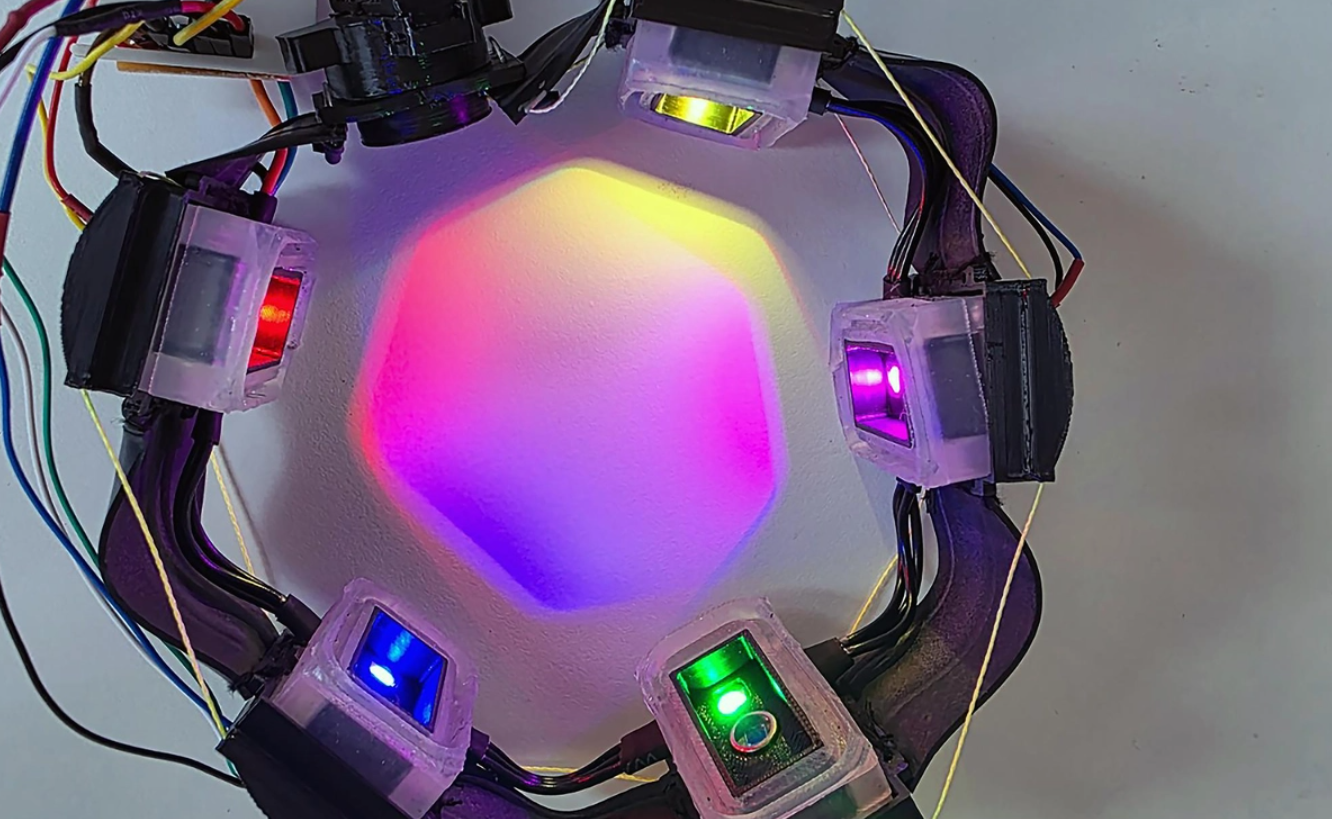
“There are novel tightening mechanisms on that band as well,” Mahonri Owen, PhD, senior lecturer in mechanical engineering at the university told IEEE Spectrum. “Which also reduces motion artifacts.”
The research team presented their research at the IEEE BioRob 2026 Conference, which explored the intersection of wearable soft robotics, inclusive design, and cultural expression.
“We’ve got these papers and data out there now that say those who require prosthetics have incredibly high rejection rates of those devices,” Owen said. The sensor was developed to help increase users’ embodiment of the device and “hence improve the likelihood of them accepting the prosthetic,” he added.
Owen told IEEE Spectrum that the initial design had undergone revision, including when an African student flagged the light sensor’s reading of darker skin tones. “Skin tone or color of skin can affect [sensor] measurements,” Owen said. “We want to have this technology available to everyone.”
Future research could include hybrid prosthetics that use both electrical sensors (for accurate signals when there’s a good connection) and optical-based sensors (for better connections against sweat, motion, and armband dislocation).