
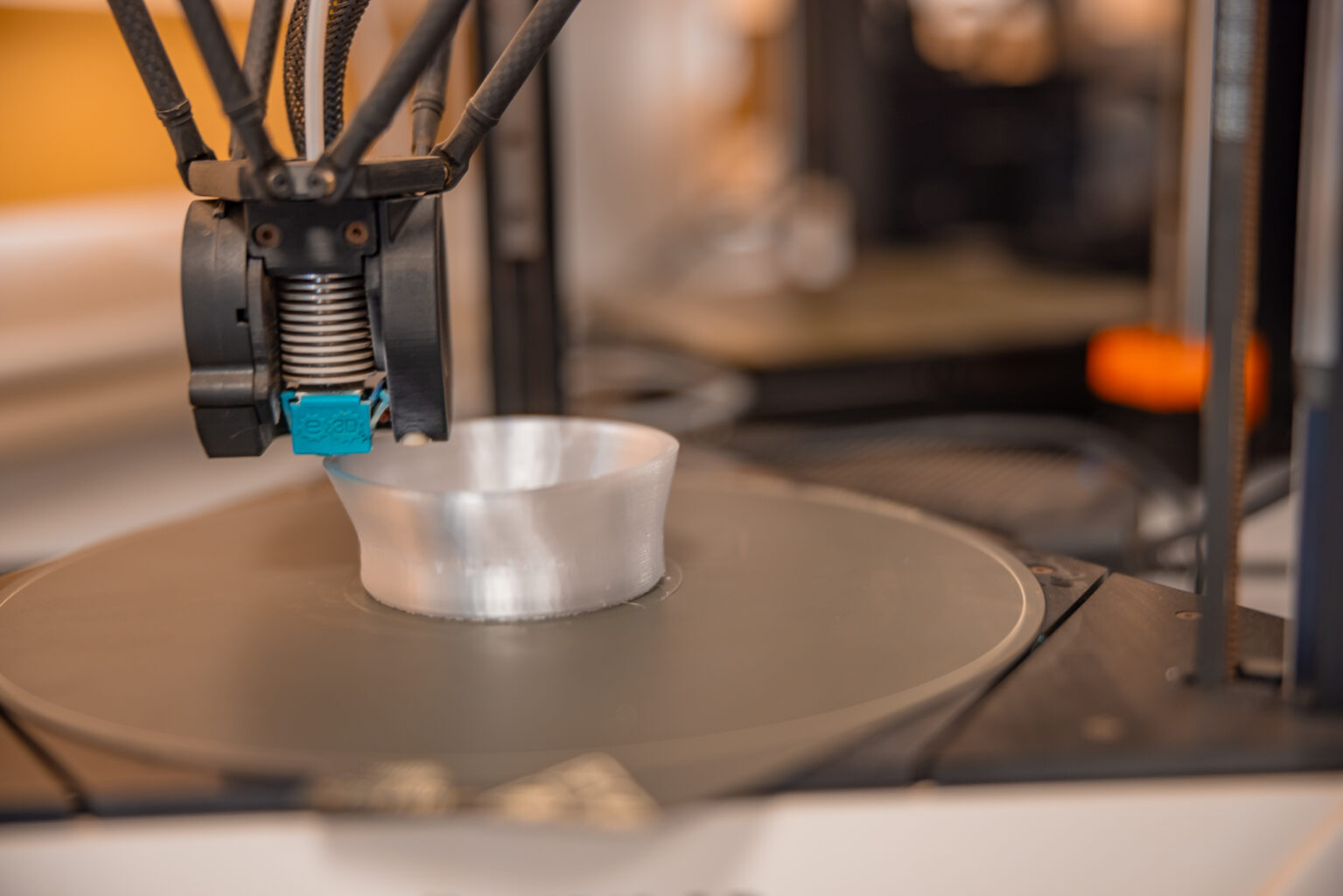
United-Kingdom–based STAND, a charity working to ensure people with amputations across sub-Saharan Africa can access high-quality prosthetic limbs and holistic rehabilitation, launched a 3D scanning and printing technology project in The Gambia, West Africa, to provide an easier, faster, and more accurate way to create prosthetic sockets.
Co-financed by the European Union, the technological solution addresses the millions of people with amputations in Africa without access to prosthetic legs.
“This project is more than just a trial; it is a blueprint for the future. Alongside the fitting of bespoke sockets, STAND and its partners are conducting a study to see how this model can be scaled,” the nongovernmental organization said. “If successful, this technology could allow prosthetists to take care directly to patients in rural villages, simply by scanning a limb on-site, printing the socket at a central hub and then delivering the leg back to the amputee.”
“This innovative partnership shows how UK-supported expertise, combined with local leadership in The Gambia, can deliver practical solutions that improve lives,” said Martin Norman, Deputy High Commissioner at the British High Commission Banjul. “Harnessing cutting-edge 3D printing technology presents an opportunity to expand access to high-quality prosthetic care and ensure more people can regain their mobility, independence, and dignity, improving outcomes for patients across The Gambia.”
“This is an exciting development compared to STAND’s usual operations in The Gambia. The project not only empowers Gambians to manufacture their own high-quality components, but it also harnesses mobile scanning technology to bring life-changing care directly to rural amputees,” said Tom Williams, OBE, founder of STAND.