

The O&P industry has entered a transformative era where 3D printing is no longer a futuristic concept; it is a proven technology that is already widely used across clinical practices globally. A July 9 news item on The O&P EDGE website highlighted a study conducted in Switzerland comparing 3D-printed orthoses to low-temperature thermoplastic devices. This research clearly demonstrated the value of 3D printing for post-traumatic applications, where these lightweight, patient-specific devices offer excellent comfort and efficiency.
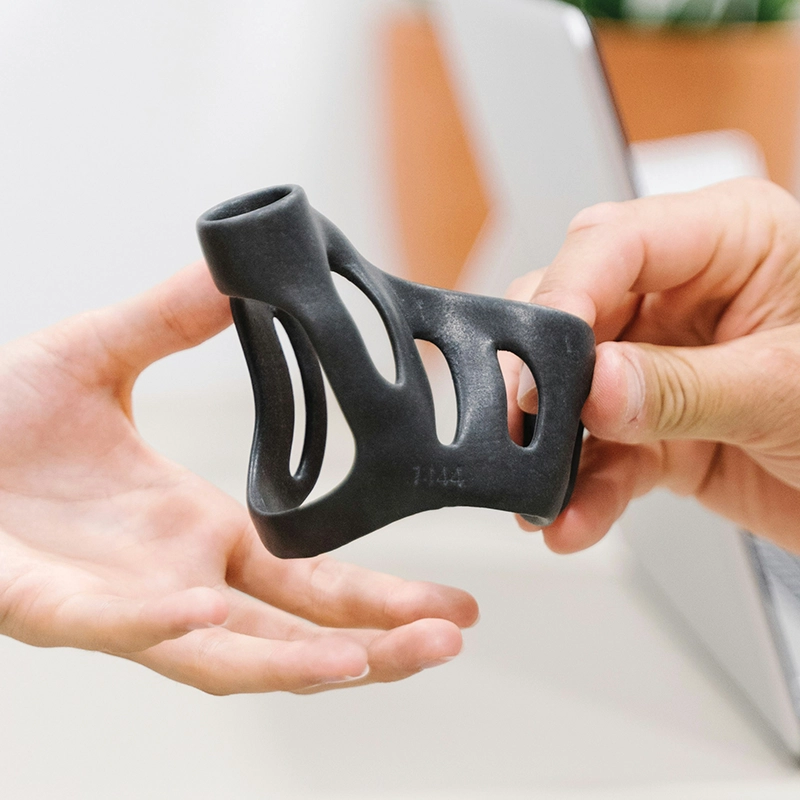
But this is only the first wave of what 3D printing brings to our field. To fully understand its potential, it is important to look beyond low-temperature thermoplastics, devices that are primarily used in post-traumatic or post-surgical situations and are often fabricated directly at the point of care. The more profound transformation is happening in the realm of custom-made O&P devices, especially those fabricated from high-temperature plastics for chronic and neuromuscular conditions.
Support authors and subscribe to content
This is premium stuff. Subscribe to read the entire article.