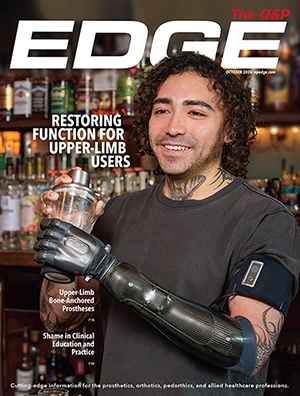

The primary goal in O&P is to improve or restore mobility, enable individuals to participate in activities of daily living, or alleviate the impact of medical conditions they are facing. While these efforts frequently involve a multidisciplinary approach, within O&P they are the result of a partnership between clinicians providing direct patient care and the technicians fabricating the devices. In this issue, we look at how technicians can incorporate working with silicone, efficiency within the lab, and the way women are making their mark in an area traditionally dominated by men.
Silicone has a variety of O&P applications but can be intimidating to work with for techs unfamiliar with it. In “Demystifying Silicone Fabrication,” experts explain some of the unique aspects of working with silicone, some of the best ways to use it, and how to make it more approachable for those new to the material.
Support authors and subscribe to content
This is premium stuff. Subscribe to read the entire article.